


Zara Clothing Pallets: The Ultimate Guide to Fashion Liquidation Success
The fast fashion revolution has transformed retail, creating unprecedented opportunities for savvy resellers who understand how to leverage brand-name inventory at wholesale prices. Among fashion liquidation options, Zara clothing pallets stand out as particularly lucrative, combining global brand recognition with consistent consumer demand. This comprehensive guide explores how fashion entrepreneurs can build profitable businesses through strategic Zara wholesale liquidation purchasing.
Understanding the Zara Fashion Phenomenon
Zara represents one of the world’s most successful fashion retailers, known for rapidly translating runway trends into accessible, affordable clothing. The Spanish brand operates over two thousand stores globally, generating billions in annual revenue through a business model that emphasizes quick turnover and frequent new arrivals. This rapid inventory cycling creates substantial liquidation opportunities as stores clear seasonal merchandise, discontinued styles, and overstock items.
The Zara brand carries significant advantages for resellers. Unlike lesser-known labels requiring customer education, Zara enjoys immediate recognition among fashion-conscious consumers who already understand the brand’s quality standards and style aesthetic. This existing brand equity simplifies marketing efforts and accelerates sales velocity compared to unbranded or obscure fashion items.
Consumer perception of Zara positions it in the accessible luxury category, offering designer-inspired styles at mid-market prices. This positioning creates ideal resale dynamics where wholesale acquisition costs allow competitive pricing that feels like discovering hidden deals on premium fashion. Customers perceive genuine value when finding Zara pieces below typical retail prices, driving purchase decisions and repeat business.
What Makes Zara Liquidation Pallets Profitable
Fashion liquidation operates on fundamentally different economics than traditional wholesale relationships. Standard wholesale typically offers twenty to thirty percent discounts off retail prices with minimum order requirements and restricted terms. Liquidation purchasing provides fifty to seventy percent cost reductions with greater flexibility, creating profit margins that transform fashion resale from marginal to highly lucrative.
Zara wholesale liquidation pallets contain diverse merchandise spanning multiple categories, demographics, and style preferences. This variety proves essential for resellers serving broad customer bases through online marketplaces, boutique locations, or pop-up events. A single pallet investment generates inventory capable of appealing to young professionals seeking workwear, fashion enthusiasts wanting statement pieces, parents shopping for children’s clothing, and bargain hunters desiring quality at accessible prices.
The fashion calendar creates predictable demand cycles that strategic resellers leverage for maximum profitability. Spring and summer collections sell strongly from February through July as consumers refresh wardrobes for warmer weather. Fall and winter merchandise moves quickly from August through January during back-to-school shopping, holiday gift-giving, and winter wardrobe building. Understanding these patterns allows optimal timing for pallet purchases and strategic pricing adjustments.
Typical Contents of Zara Clothing Pallets
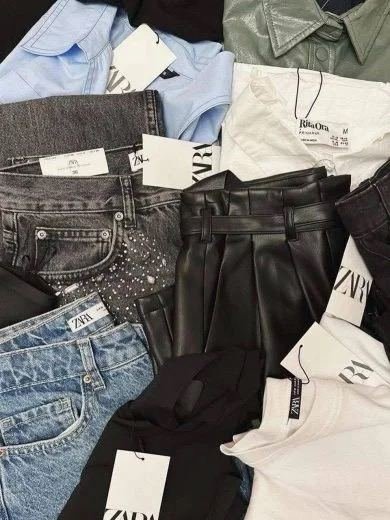
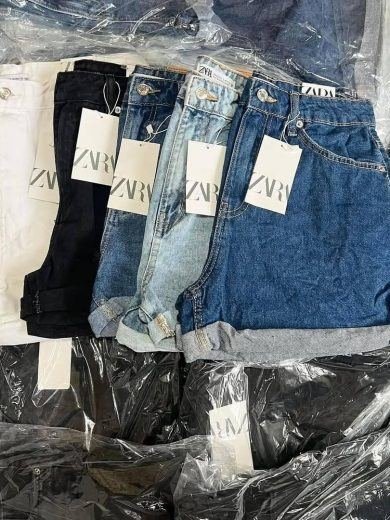
Quality Zara clothing pallets feature carefully curated selections ensuring merchandise variety and resale appeal. Women’s fashion typically dominates pallet composition, reflecting market realities where women’s clothing generates higher transaction volumes and broader style diversity. Expect substantial quantities of tops and blouses ranging from casual tees to sophisticated blouses, dresses spanning cocktail styles to everyday wear, denim and trousers in various cuts and washes, and outerwear including jackets, blazers, and coats.
Men’s clothing selections provide essential inventory for serving male customers and couples shopping together. Standard inclusions feature button-down shirts and casual tops, trousers and jeans in multiple fits, outerwear options from casual jackets to formal blazers, and accessories like belts and scarves that complement apparel purchases.
Children’s clothing adds family appeal and expands target demographics. Parents appreciate finding quality children’s wear at reduced prices, creating loyal customer relationships that extend beyond single transactions. Typical children’s selections include everyday essentials like shirts and pants, seasonal items appropriate for current weather, outerwear for school and play, and special occasion pieces for parties and events.
Accessories round out pallet contents with items that enhance average transaction values through add-on purchases. Scarves, bags, hats, and jewelry pieces encourage customers to complete looks while increasing overall basket sizes and profit per customer.
Sourcing Strategies for Fashion Liquidation
Successful Zara wholesale liquidation requires identifying reliable suppliers who consistently deliver quality inventory. Established liquidation platforms provide structured purchasing experiences with detailed pallet descriptions, condition grading, and buyer protections. These platforms aggregate inventory from multiple sources, offering convenient access though competition for premium lots can be intense.
Direct relationships with retailers and distributors offer potentially superior pricing and first access to desirable inventory. Building these connections requires networking within industry circles, demonstrating business credibility, and often accepting larger minimum purchases. The investment in relationship development pays dividends through better inventory access and pricing advantages over competitors relying solely on open market purchases.
Auction platforms create opportunities for below-market acquisitions when timing and competition align favorably. Successful auction participation demands expertise in rapid inventory assessment, strategic bidding that balances acquisition costs against profit potential, and willingness to accept some uncertainty about exact pallet contents in exchange for exceptional pricing.
Quality Assessment and Condition Standards
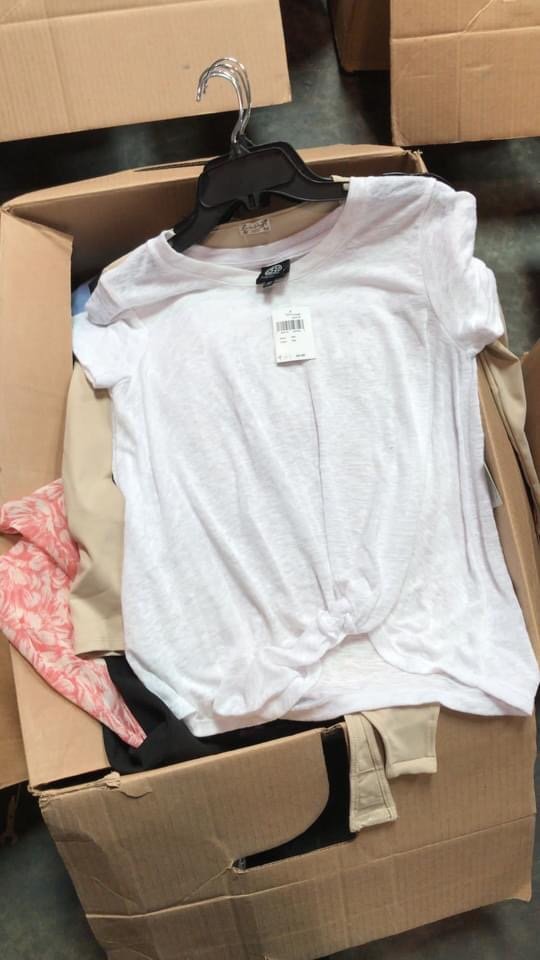
Understanding condition terminology prevents disappointment and enables accurate pricing. New with tags represents the highest grade, featuring unworn items with original tags and packaging intact, commanding near-retail prices from quality-focused customers. Shelf pulls describe items displayed in retail environments but never sold, typically showing minimal wear and maintaining excellent condition suitable for full-price positioning. Overstock consists of excess inventory that never reached sales floors, often representing discontinued colors or sizes rather than quality issues.
Inspection protocols protect business interests and customer satisfaction. Upon receiving Zara clothing pallets, implement systematic checking procedures examining items for damage, stains, or defects that affect resale value, verifying tag presence and authenticity, assessing overall condition against supplier descriptions, and documenting any discrepancies for supplier communication.
Building a Fashion Resale Business
Multi-channel distribution maximizes revenue by accessing different customer segments through their preferred shopping methods. Online marketplaces like eBay, Poshmark, and Mercari provide immediate access to active fashion buyers, though they impose fees and competition. Independent e-commerce websites build brand equity and customer databases without platform fees, requiring marketing investments to drive traffic. Social media selling through Instagram, Facebook, and TikTok leverages visual platforms ideal for fashion merchandising. Local presence via pop-up shops, flea markets, and consignment arrangements reaches customers preferring tangible shopping experiences.
Pricing strategy balances multiple considerations including item condition and desirability, current market rates for comparable pieces, platform fees and shipping costs, and seasonal demand fluctuations. Research completed sales rather than asking prices to understand realistic value. Consider psychological pricing thresholds and promotional strategies that drive volume during slower periods.
Visual merchandising significantly impacts conversion rates in fashion resale. Professional photography showcasing multiple angles, styling suggestions through flat lays or mannequins, detailed measurements and fabric information, and honest condition disclosure builds customer confidence and reduces return rates.
Marketing Your Zara Inventory
Brand emphasis in marketing materials leverages Zara’s existing recognition and positive associations. Highlight authentic Zara merchandise in titles and descriptions, emphasize designer quality at accessible prices, and reference specific collections or seasonal releases when identifiable. This brand-forward approach attracts customers specifically seeking Zara items while conveying quality signals to general fashion shoppers.
Content marketing establishes expertise and builds audience engagement beyond individual transactions. Fashion styling tips showing how to wear specific pieces, trend reports connecting inventory to current fashion movements, size and fit guides helping customers make confident purchases, and behind-the-scenes content humanizing your business all create value that attracts and retains customers.
Operational Excellence
Efficient inventory management prevents chaos as volume scales. Implement systems tracking acquisition costs for profitability analysis, organizing merchandise by category, size, and season, monitoring sell-through rates identifying winners and slower movers, and documenting photography and listings for streamlined processing.
Customer service excellence differentiates professional operations from amateur sellers. Respond promptly to inquiries with detailed, helpful information, provide accurate measurements and condition descriptions, handle issues professionally with fair resolutions, and encourage reviews and testimonials building social proof.
Legal and Compliance Considerations
Operating a fashion resale business involves various requirements including proper business licensing and tax registration, collecting and remitting sales tax where applicable, and understanding platform policies regarding authentic merchandise sales. While reselling authentic items purchased legally is generally permitted, familiarize yourself with first-sale doctrine and any specific restrictions your platforms impose.
Authenticity concerns matter in fashion resale. While genuine Zara wholesale liquidation eliminates counterfeit risks, maintain documentation proving legitimate sourcing. This protection proves valuable if customers or platforms question merchandise authenticity.
Scaling Considerations
Growth from side hustle to significant income source requires strategic planning. Capital management balances inventory investment against operating expenses and cash reserves. Avoid overextending financially while maintaining adequate stock levels supporting consistent sales volume.
Systems development becomes essential as complexity increases. Inventory management software tracking purchases, sales, and profitability, customer relationship systems organizing buyer information and communication, and financial systems properly recording transactions for tax compliance and business analysis all support sustainable growth.
Future-Proofing Your Fashion Business
Fashion markets evolve constantly, requiring adaptability for long-term success. Stay current with trend forecasting, understanding emerging styles and preparing inventory accordingly, seasonal planning that aligns purchasing with demand cycles, and market monitoring tracking competitor pricing and platform changes. Diversification across brands, categories, and channels reduces dependence on any single market segment while capitalizing on multiple opportunities.
Conclusion
Zara clothing pallets offer compelling opportunities for fashion entrepreneurs who approach resale as a serious business requiring strategy, systems, and customer focus. By sourcing quality inventory through reliable liquidation channels, implementing professional operational standards, developing effective multi-channel marketing, and delivering excellent customer experiences, resellers can build sustainable businesses serving the enduring demand for accessible fashion. The combination of Zara’s global brand recognition, attractive wholesale liquidation pricing, and consistent consumer interest creates ideal conditions for building profitable fashion resale operations that thrive in competitive markets.
Related products
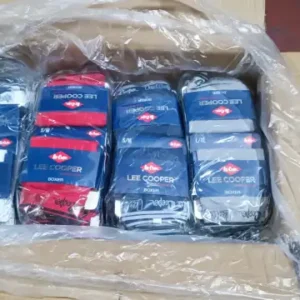
Clothing Pallets
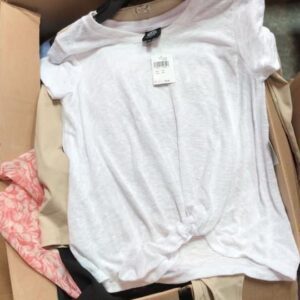

Clothing Pallets
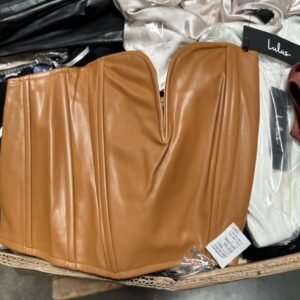
Clothing Pallets
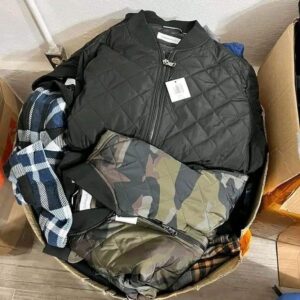
Clothing Pallets


Clothing Pallets

Clothing Pallets
Clothing Pallets
Clothing Pallets